



Golden human skull model
This is a gold skull model with an artistic or decorative design. The model presents a high-gloss golden appearance, similar to a metal or lacquer effect, with reflective light. The mandible part is dark (may be gray or black) and the teeth are silver and purple. It is likely to be an art ornament, sculpture replica or ornament. This style is often associated with pop art, mimicking the mirror effect of sculptures created by artists such as Jeff Koons. Although unconventional in color, the anatomy of the model resembles a 3D model or illustration of a human skull.

Stranraer Museum-Boar Skull

Sea otter skull
The sea otter (scientific name: Enhydra lutris) is a semi-aquatic mammal of the genus Sea Otter of the carnivores Mustelidae. Due to its dense fur, round body size and unique predation behavior of "tapping shells with stones", it has become one of the most iconic marine mammals along the North Pacific coast. As a "key species" of the ecosystem, its survival directly affects marine biodiversity and is also a flagship species for global marine conservation. The existing populations are mainly concentrated in the Russian Far East, the United States/Canada Alaska, California, Mexico Baja California.
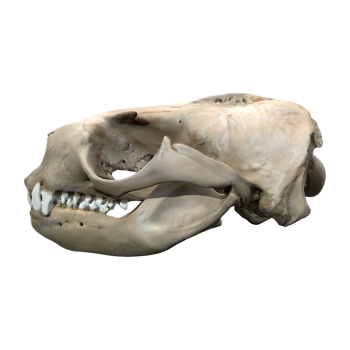
Sea Lion Skull
Sea lion (Sea Lion) is a semi-aquatic mammal in the family Sea Lionidae, which has become a landmark species in marine ecosystems due to its foldable flippers, outer ear structure and social habits. There are 7 genera and 15 species in the world, which are widely distributed in temperate to tropical waters, and are the key link between marine and terrestrial ecology. It is mainly distributed in the North Pacific Ocean, temperate waters of the southern hemisphere and some tropical waters; it inhabits coastal rocky areas, sandy beaches, rocks or floating ice edges, and prefers shallow seas with water depth <100 meters. Mainly to fish, cephalopods and crustaceans for food.

Skull of roe deer
Roe deer (scientific name: Capreolus capreolus) is a small and medium-sized deer of the genus Roe deer (Capreolus) of the family Ceraceae (Cervidae). Because of its small size, high alertness and unique behavior, it is widely distributed in temperate to cold temperate forests in Eurasia. It is a familiar "forest spirit".

Rhino Skull
The rhinoceros (Rhinoceros) is a large herbivorous animal in the family Mammalia (Mammalia), hoyhooe (Perissodactyla), rhinoceridae (Rhinocerotidae), known for its iconic horns and heavy skin. Five species of rhinoceros (belonging to four genera), all of which are endangered, are facing a severe survival crisis due to habitat destruction and poaching.

Brown Bear Skull
Brown bear (scientific name: Ursus arctos) is one of the most widely distributed large terrestrial mammals in the northern hemisphere. It is widely distributed in Eurasia and North America. It is named for its brown or golden hair and is an important top predator in the ecosystem. It belongs to the Mamiaceae, including several subspecies, such as the grizzly bear (Ursus arctos horribilis) and the Kodiak brown bear (Ursus arctos middendorffi).

Monkey Skull 3D Model Animation
Belonging to the primate order, it is a mammal closely related to humans. Medium in size, with equal limbs or slightly longer hind limbs, varying tail lengths, cheek pouches and arm calluses, suitable for arboreal or terrestrial life. The skull is larger and the cranial cavity is spherical, which is due to the shortening of the jaw and flattening of the face. Smell is usually secondary to vision and touch, and certain species have highly developed olfactory centers in the brain. The social behavior of monkeys is complex, usually living in groups and forming a hierarchical social structure. There is a variety of food, including fruits, leaves, insects, small animals, etc. In culture, monkeys are often seen as symbols of wit and flexibility.

Leopard skull
It is a large feline with an elegant body shape and both strength and speed. Known for its unique spotted fur, these spots are called "rose spots" and help camouflage in forest and grassland environments. Widely distributed in various habitats in Africa and Asia, from tropical rainforests to arid desert regions. He is a lonely hunter, skilled in climbing and swimming, often resting and storing prey in trees. The body size of felines is considered moderate, with strong muscles, sharp claws, and strong jaw power, capable of hunting and killing various prey. They usually avoid contact with humans and exhibit strong defensive measures when threatened.

3D model of dolphin skull
It is a highly intelligent marine mammal belonging to the dolphin family of the cetacean order. Known for its streamlined body, agile swimming ability, and friendly nature. Widely distributed in oceans and certain rivers worldwide, it adapts to various environments ranging from cold polar waters to warm tropical seas. Having a developed sonar system that can detect the surrounding environment by emitting sound waves and receiving echoes, this ability makes underwater navigation and hunting very efficient. It is a social animal that often lives in groups, with complex communication and collaborative behaviors among group members. They feed on fish, squid, and other marine organisms.

Terror bird skull
Dinornitidae is a bird species in the ostrich order of the terror bird family. The abdominal feathers are yellow, and the other parts are yellow and black in color. Enlarged body, degeneration of upper limbs, and short and thick lower limbs; The neck is covered with feathers and is relatively short; There are three toes. In 1843, it was named the terror bird by Owen, meaning a large bird that can scare people. Resting in the primitive lowlands and coastal forest grasslands of the southern islands of New Zealand. Living as a couple, each pair has their own territory. Cannot fly, runs slower than ostriches. They feed on berries, grass seeds, and roots, and sometimes also collect some insects. It is one of the largest birds on Earth.

Amazon parrot skull
The Amazon parrot is a bird species of the Amazon parrot genus in the parrot family of the parrot order, also known as the orange winged Amazon parrot. The body is strong and sturdy, with a square shaped tail that is relatively short; The face is covered in hard hair; The mouth is thick and strong, with a hooked shape. Most of the feathers are green, with yellow green edges; Orange iris of the eyes; Yellow between the crown, eyes, and thighs; The main flight feathers are purple blue, and the secondary flight feathers are purple blue and distributed in the feather petals and wing tips; There is a slight red color at the turning point of the wings.. Has migratory habits. They feed on figs, nuts, flowers, seeds, and fruits, and sometimes forage in crops such as banana groves or corn fields.
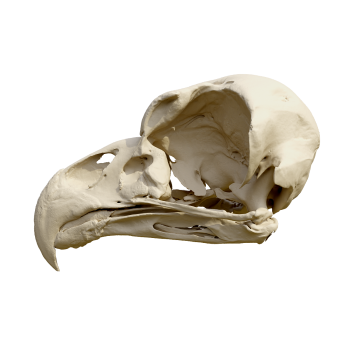
Eagle owl skull
The eagle owl is a bird species belonging to the family Scombridae in the order Scombriformes. No significant facial features; The upper body is dark brown in color, with black transverse spots on the tail feathers; The throat and forehead are light gray white, and the feather edges are light brown yellow; The remaining part of the lower body is white, with brown longitudinal stripes on the chest and wide reddish brown patches on the abdomen, forming incomplete horizontal spots; Iris bright golden yellow; Mouth peak angle gray or blue black, with a shallow tip; Wax film dark green or green brown; The tarsus is dark yellow or yellow green. Distributed in eastern to southern Asia, and in northeastern, northern, and eastern China. Nocturnal, active at dusk or night. The food is mainly insects, but also includes frogs, lizards, birds, rodents, etc.

Pigeon skull
Pigeons are animals of the pigeon genus in the pigeon family of the pigeon shaped order. The body length is 295-360 millimeters. The head, neck, chest, and upper back are slate gray, with metallic green and purple flashes on the upper back and front chest. The rest of the back is light gray, with a black horizontal spot on each wing. The tail feathers are slate gray, with a wide black horizontal spot at the end, similar to males and females. Widely distributed, except for Antarctica, high latitude regions in the Northern Hemisphere, and extremely arid areas in deserts. Most of them inhabit forests or forests, while some inhabit open areas or near cliffs. Active during the day and returning to their nest at night, but trained pigeons can fly at night if they do not return to their habitat before evening.

Huangxiangliu Monkey Skull
The Saguinusimperator, a species of marmoset in the family Tamarix, is a type of marmoset monkey. He has two long white beards and is accustomed to sitting quietly together to eat and rest. Another way of saying it is called "Emperor" is because it resembles Wilhelm II of Germany. The fur is mainly gray with yellow spots on the chest. Living in the dense Amazon rainforest. Residing in the upper canopy of tropical rainforests or tropical forest grasslands, rarely active on the ground. Eat fruits, nuts, and other plant-based foods, as well as insects, spiders, frogs, small lizards, and bird eggs.

Upper half skull of ferret
The ferret (Mustelapulourius furo) is a mammal belonging to the family Mustelidae in the order Carnivora. The body of a ferret is slightly slender, streamlined, with a round body and no sharp corners or flat areas. Distributed in southern Canada and Oklahoma and Kansas in the United States. Ferrets love to play and live in groups. They mostly sleep throughout the day and prefer quiet environments. They are highly alert to external stimuli. Ferrets lack sweat glands and are not suitable for high temperature environments. When frightened, they will empty their anal glands and secrete musk. Ferrets are carnivorous animals that mainly feed on small vertebrates such as mice and rabbits.

White Rhinoceros Skull
The white rhinoceros is a mammal belonging to the family Rhinocerotidae in the order Neodactyla. The body is round and robust, the skin is thick and smooth, and the surface of the body is approximately gray; The head has special features, but the incisors and canines have degenerated. The developed 7 pairs of cheek teeth have a very thick layer of limestone; There are two horns, one large and one small, one in front and one behind. The horns are not made of bone, but are derivatives of epithelial tissue, formed by the accumulation of keratin fibers. Distributed in southern and northeastern Africa, mainly active in the morning and evening, and rolling or resting in muddy water at other times; When the weather is cool, they lie under the shade of trees and take a nap, living alone or forming small groups. They are distributed in southern and northeastern Africa and feed on grass.

Otter skull
The marmot is a mammal belonging to the family Muridae in the order Rodentia of the class Mammalia; Also known as groundhog. The largest terrestrial and burrowing herbivorous and hibernating wild animal in the squirrel family. There are 14 subspecies worldwide, with 4 species in China. Distributed in Siberia and Mongolia of Russia, and also in Inner Mongolia of China. Resting in plateaus, meadows, foothills, and other areas, the lower edge of sunny slopes in plains and mountains is its high-density aggregation zone. Active during the day, with a large appetite, gnawing on a large amount of grass every day, enduring hunger and satiety, and preferring juicy feed with high water content, post rain grass, and dew grass. Likes to live in groups, easy to drive, does not harm people, is not heat-resistant, afraid of direct sunlight, and has strong disease resistance.

Soft shell glans bone
Soft shelled turtles, also known as soft shelled turtles, refer to aquatic turtles belonging to the order Turtles and family Turtles. Soft shelled turtles are distributed in freshwater streams and lakes in Asia, Africa, and North America. The characteristics of soft shelled turtles are a round, soft crust like pancake, webbed legs, a long head and neck, and nostrils located at the front of the fleshy long nose (female turtles are noticeably larger than male turtles). There are two main species of soft shelled turtles in the New World, the prickly soft shelled turtle and the smooth soft shelled turtle, whose dorsal shells are gray or brown. The smooth shell turtle has a shell length of about 35 centimeters, while the soft shell turtle has a shell length of about 45 centimeters, mainly distributed in the United States. There are two species of soft shelled turtles in the Old World: African turtles and Malay turtles.

Hamster skull
The Cricetinae subfamily is the smallest subfamily of the Cricetidae family, including only the Palearctic (Eastern Hemisphere) hamsters, which are small rodents. There are about 60 genera, with 3 genera and 9 species in China. Short and thick body shape; Short tail; Cheek pouch; Most types of skulls have no obvious ridges; The skull does not significantly enlarge; Listening to bubbles; Molar chewing mask with conical tooth tips. It inhabits a wide range of environments, including grasslands, deserts, semi deserts, farmland, and alpine grasslands. No hibernation habit; All of them are terrestrial species, mainly engaged in cave living, living by digging caves, with complex cave systems and specialized warehouses for storing food; Strong adaptability. Mainly feeds on plants, but also on animal carcasses.

Green iguana skull
The green iguana is an animal belonging to the genus of American green iguanas in the family Hymenonidae of the order Perciformes. Young green iguanas typically have a green body and use it to evade attacks from predators; As one grows older, green will gradually fade away and be replaced by colors such as light yellow, light blue, or brown; The main features of green iguanas include comb like scales on the back, black circular stripes on the tail, and large, drooping throat fans in adult males. Also known as: American Green Iguana. Distributed in tropical rainforest areas from Mexico to Paraguay in Central and South America. Omnivorous animals primarily consume small insects, eggs, and other animal based foods during their infancy, and eventually transition to plant-based diets in adulthood

Frog skull
Frogs (a species of amphibian in the family Ranidae) have a slightly triangular head that grows wider; large and protruding eyes; short forelimbs, blunt toes, short and thick hind limbs, and almost full webbed toes; and a rough back. They are most common and abundant in plains and hilly areas from North China to South China, suitable for living in amphibious environments. They often inhabit low-lying and humid places such as rivers, ponds, streams, ditches, lakes, and shallow waters with dense aquatic vegetation. They are active during the day and night, searching for food at night. They are carnivorous and usually prey on small insects, but can also swallow fish meat and the organs of chickens, ducks, and fish.

Pseudo killer whale skull
Pseudo killer whales are mammals belonging to the dolphin family and the genus Pseudo killer whales. Living in tropical or temperate seas. The whole body is black or dark gray, with a slender body and a blunt and round head. Visiting coastal waters, but preferring to stay in deeper waters. Their diving depth can reach 2000 meters. Regularly organize large group activities. They feed on squid, but also catch hairtail, small sharks, as well as mackerel, black snapper, sea bass, and mackerel. Widely distributed in major oceans around the world except for the Arctic Ocean. Living in warm temperate to tropical waters around the world, it is found in the Bohai Sea, Yellow Sea, East China Sea, South China Sea, and Taiwan waters in China.

Worm lizard skull
The Rhineura floridana, also known as the worm lizard, belongs to the suborder Lizards, family Loricariidae, and is a reptile., Produced in North America; Cave in the soil, sand, and soil layers mainly composed of decaying plant matter (such as fallen leaves) on the Florida Peninsula. Body length 18-35 centimeters (7-12 inches), peach colored. Looks like a snake. Immediately return to the cave when startled, and enter the cave first at the tail. No limbs, or no external eyes or ears. I spend most of my life underground, feeding on worms, spiders, and termites.

Popular Models
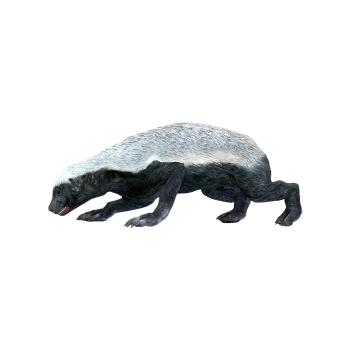
Honey Badger (3D animated model)
192 View
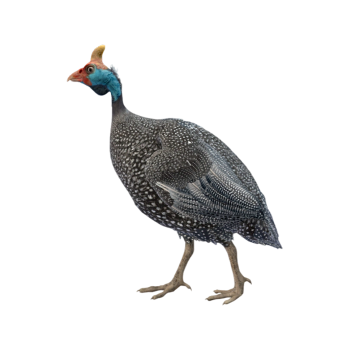
Guinea fowl (3D animated model)
163 View
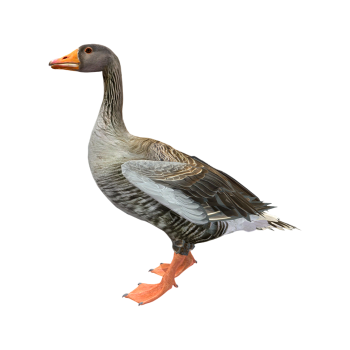
Wild Goose (3D animated model)
185 View
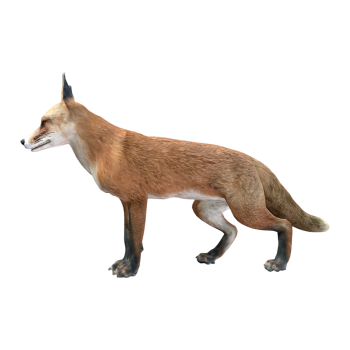
Red Fox (3D animated model)
153 View
Random Model

Leisure Seats
552 View

American F-16 FightingFalcon fighter
771 View

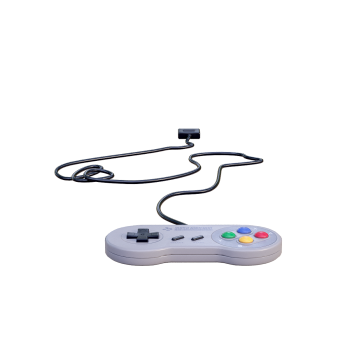
Super Nintendo game console handle
942 View

White Men's Jacket
770 View

Sphalerite
1159 View
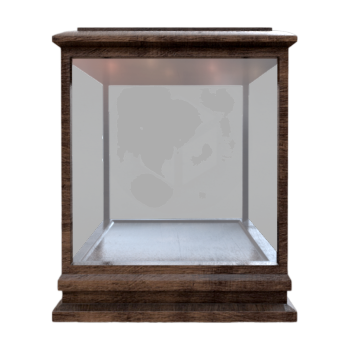
wooden frame glass display cabinet
1159 View

GT Sport Muscle Car
784 View

Cast Iron Freestanding Bathtub
328 View

Cheetah (with 3D animated model)
817 View